Why Most B2B Lead Generation Fails
Many SaaS and IT companies believe they have a lead generation problem.
The reality is usually different.
They often have:
- a positioning problem
- a trust problem
- a qualification problem
- a follow-up problem
- a visibility problem
As a result, companies invest in more campaigns, more outreach, and more tools without fixing the underlying issues.
The outcome is predictable:
More leads enter the funnel, but revenue does not grow at the same rate.
Effective B2B lead generation in 2026 is not about generating the highest number of leads.
It is about generating the right opportunities and creating a system that converts them into customers.
Drive Real Marketing Results That Matter
We turn leads into predictable revenue for growing brands.
What Has Changed in B2B Lead Generation?
The buying journey has changed dramatically.
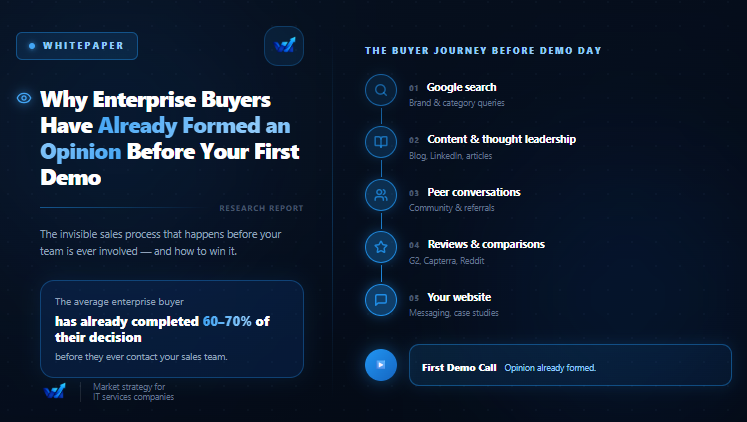
Before speaking with sales, modern buyers:
- visit websites multiple times
- review LinkedIn profiles
- read blogs
- compare competitors
- consume thought leadership content
- ask AI platforms for recommendations
- evaluate case studies
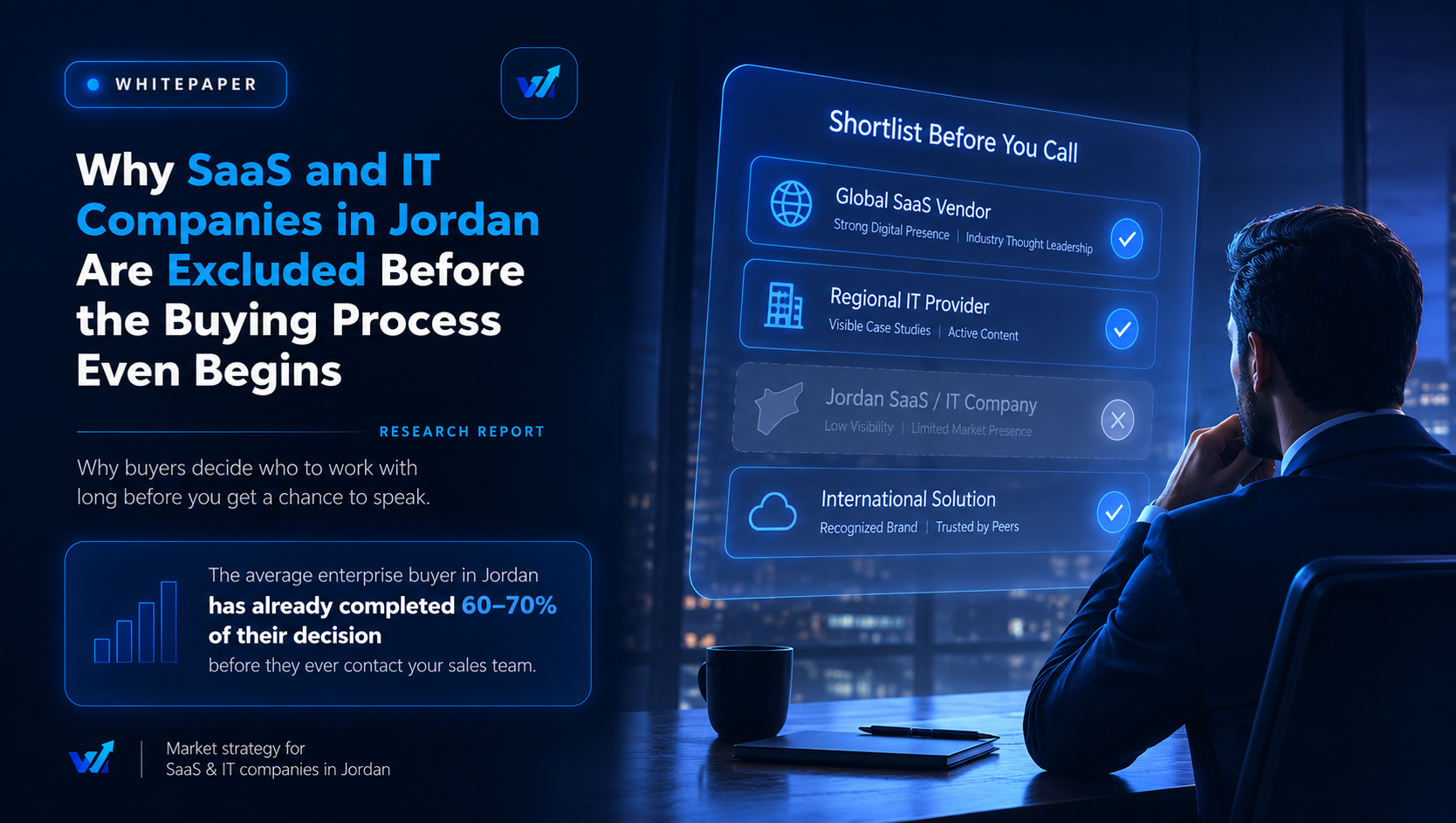
By the time a prospect books a call, they have often completed a large portion of their buying process.
This means companies must focus on building visibility and credibility long before a sales conversation begins.
Step 1: Define Your Ideal Customer Profile
One of the biggest mistakes in B2B marketing is targeting everyone.
Successful lead generation starts with clarity.
You must define:
industry
company size
geography
decision makers
business challenges
technology stack
buying triggers
A SaaS company selling to enterprise healthcare organizations requires a completely different strategy than an IT services provider targeting mid-sized manufacturing businesses.
The more specific your ideal customer profile becomes, the more efficient your marketing efforts become.
Learn how strategic positioning supports growth through our Growth Strategy and Market Positioning services.
Step 2: Build Trust Before Asking for a Meeting
Many companies ask for a demo before earning credibility.
Buyers today expect proof.
They want to see:
expertise
industry knowledge
customer success stories
practical insights
evidence of execution
Trust is often the difference between being ignored and being considered.
This is why educational content, case studies, and thought leadership play such an important role in lead generation.
Explore our case studies to see how trust and execution work together to support growth.
Step 3: Create Demand Before Capturing Demand
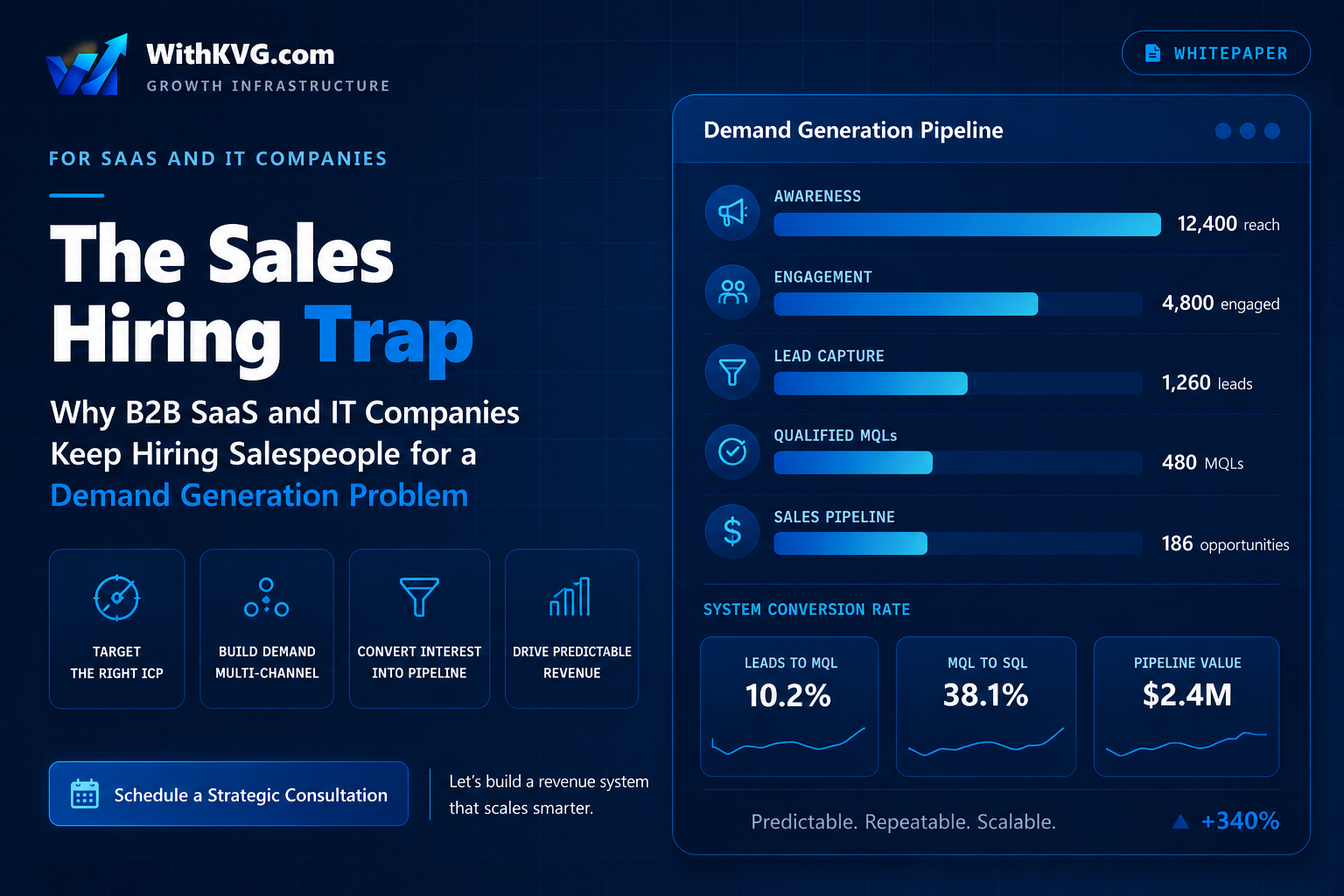
Most companies focus entirely on lead capture.
Few focus on demand creation.
Lead generation captures existing interest.
Demand generation creates future interest.
Companies that generate demand:
educate their market
answer common questions
build authority
stay visible throughout the buying journey
This creates a larger pool of future buyers.
Learn more about our Demand Generation and Digital Marketing solutions.
Step 4: Optimize Your Website for Buyers and Search Engines
Your website should not function as a digital brochure.
It should function as a conversion engine.
A high-performing B2B website should answer:
Who do you help?
What problem do you solve?
Why should buyers trust you?
What results have you achieved?
What should visitors do next?
Modern websites must also be optimized for:
SEO
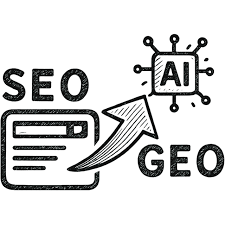
GEO (Generative Engine Optimization)
AEO (Answer Engine Optimization)
This improves visibility across traditional search engines and AI-driven search experiences.
Learn how our Website Design, SEO, GEO, and AEO Optimization services help companies attract qualified buyers.
Step 5: Use Content as a Lead Generation Asset
Content should support every stage of the buyer journey.
Effective B2B content includes:
blogs
industry guides
whitepapers
case studies
comparison content
educational resources
The goal is not simply traffic.
The goal is creating confidence.
When prospects repeatedly find valuable insights from your company, trust begins to develop naturally.
Explore our collection of Resources and Insights for examples of content designed to support business growth.
Step 6: Build a Follow-Up System
One of the largest sources of lost revenue is poor follow-up.
Many companies invest heavily in lead acquisition but rely on manual processes after leads enter the pipeline.
This leads to:
delayed responses
missed opportunities
inconsistent communication
lower conversion rates
A structured follow-up process should include:
CRM automation
email sequences
lead scoring
reminders
nurturing workflows
Without systems, opportunities fall through the cracks.
Learn how our CRM Automation and Email Marketing solutions help companies improve lead management.
Step 7: Align Marketing and Sales
One of the biggest obstacles to lead generation success is misalignment.
Marketing often measures:
traffic
impressions
leads
Sales measures:
meetings
opportunities
revenue
The most successful companies create shared accountability around revenue outcomes.
When marketing and sales operate from the same data, conversion rates improve significantly.
Read more about this challenge in Why Marketing and Sales Don’t Align and How It’s Killing Your B2B Revenue.
How WithKVG Helps SaaS and IT Companies Generate Better Leads
At WithKVG, we believe lead generation should not operate in isolation.
We help B2B SaaS and IT companies build complete revenue systems that include:
strategic positioning
demand generation
SEO, GEO, and AEO optimization
CRM automation
lead nurturing
sales enablement
revenue analytics
The goal is not simply more leads.
The goal is more qualified opportunities, stronger conversion rates, and predictable growth.
Explore our solutions to see how we help companies build scalable growth systems.
The Future of B2B Lead Generation
Lead generation in 2026 is no longer about finding more people.
It is about building more trust.
The companies that succeed are the ones that:
understand their buyers
create demand
build authority
automate follow-up
align marketing and sales
measure revenue outcomes
The result is a predictable system that turns visibility into opportunities and opportunities into growth.
If your company is ready to build a more predictable lead generation system, you can book a consultation with WithKVG.
Ready to predict revenue with confidence?