Drive Real Marketing Results That Matter
We turn leads into predictable revenue for growing brands.
Many companies invest heavily in marketing but still struggle to generate consistent, qualified opportunities.
Campaigns run.
Content is published.
Ads generate traffic.
Yet the pipeline remains unpredictable.
The problem is rarely effort or budget.
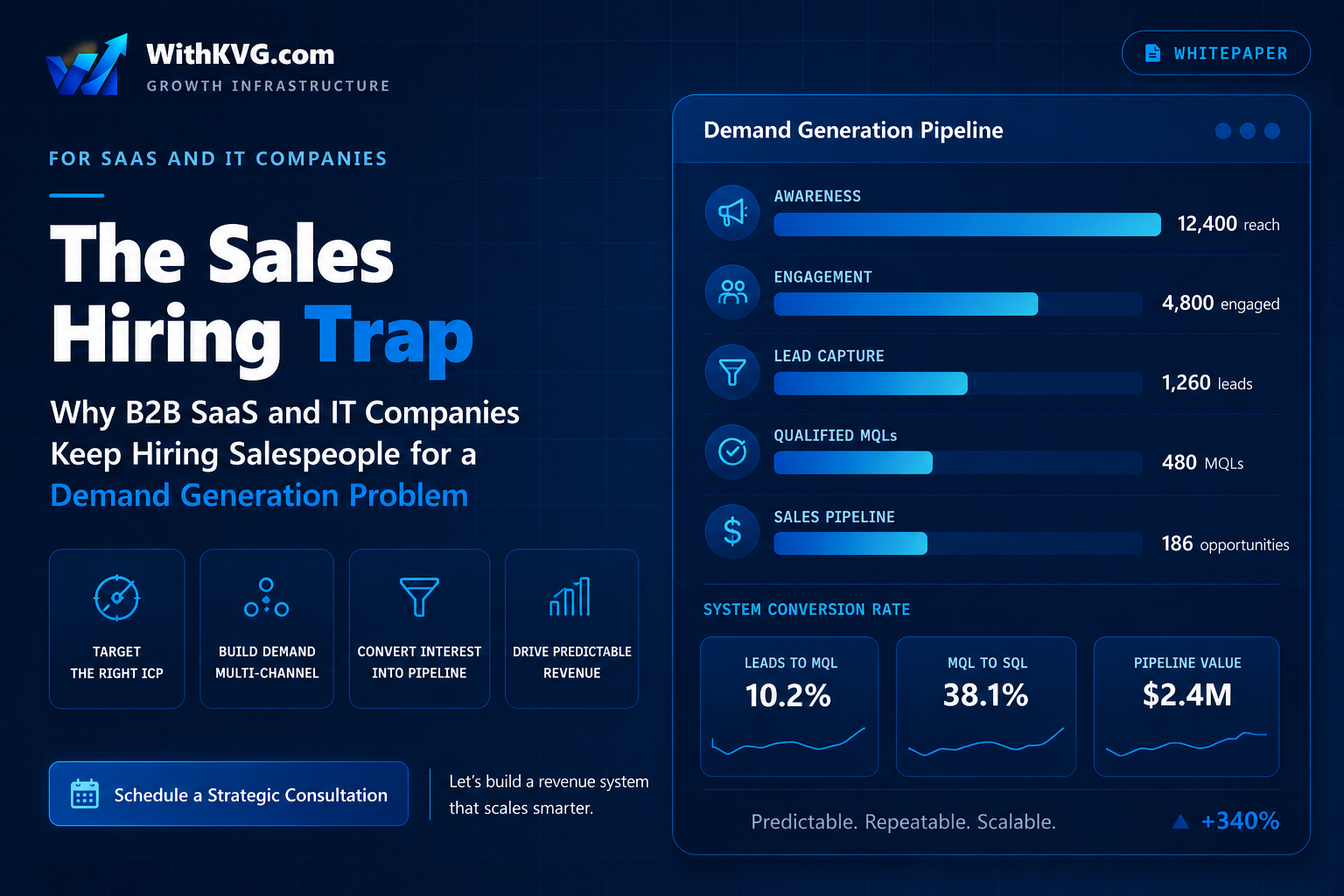
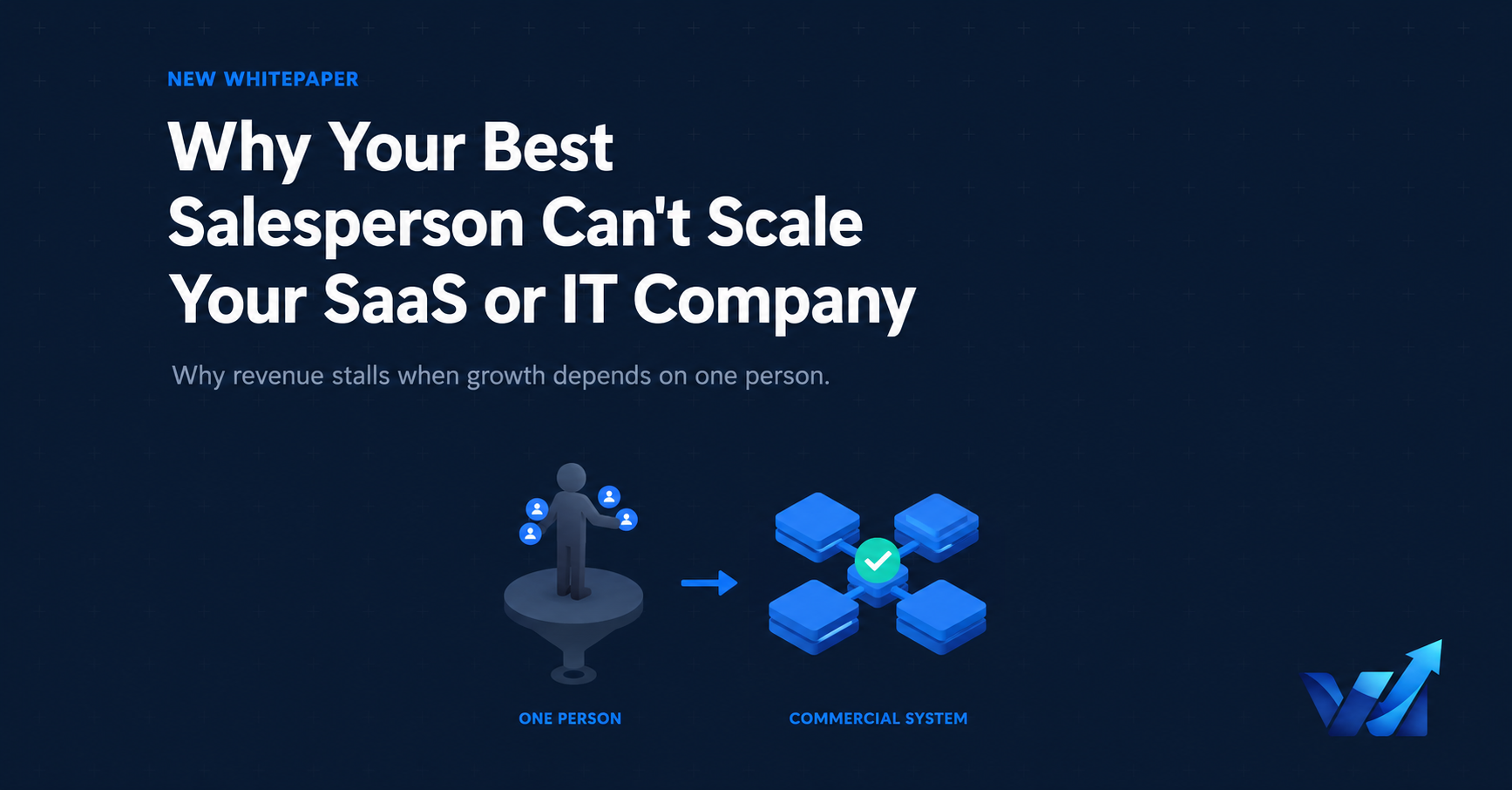
The real issue is that most companies are running marketing activities instead of building a marketing system.
A system connects strategy, demand generation, automation, and sales execution into one engine designed to produce measurable growth.
Without that system, marketing becomes a series of disconnected efforts that rarely translate into revenue.
The 4 Problems That Stop Marketing From Producing Results
Across SaaS, ERP providers, and B2B technology companies, the same patterns appear repeatedly.
1. Marketing Without a Clear Go-To-Market Strategy
Many organizations launch campaigns before defining:
- their ideal customer profile
- target industries
- positioning and messaging
- buying triggers
This results in broad marketing that reaches many people but very few buyers.
A strong go-to-market strategy ensures every marketing activity is designed to attract companies most likely to convert.
2. Fragmented Marketing Systems
It is common to see companies using multiple disconnected tools:
- CRM platforms
- email marketing tools
- outreach systems
- advertising platforms
- analytics dashboards
When these systems are not integrated, leads fall through the cracks and performance becomes difficult to measure.
High-performing companies operate with connected marketing ecosystems that ensure every lead is captured, nurtured, and tracked.
3. Weak Lead Management
Generating leads is only the first step.
Without proper CRM workflows and automation:
- follow-ups are delayed
- prospects lose interest
- opportunities disappear
Companies that scale successfully implement structured pipelines that move prospects through the entire buying journey.
4. Marketing and Sales Misalignment
Many organizations treat marketing and sales as separate functions.
Marketing focuses on generating leads.
Sales focuses on closing deals.
But without alignment on:
- lead qualification
- messaging
- pipeline stages
- customer targeting
marketing efforts rarely translate into real revenue.
Successful companies treat marketing and sales as one revenue system.
What a Revenue-Driven Marketing System Looks Like
Companies that consistently generate growth focus on building structured demand engines built around four pillars:
1. Strategic market positioning
Clear messaging and targeting that attracts the right buyers.
2. Demand generation systems
SEO, outreach, content, and paid campaigns working together to create consistent opportunities.
3. CRM and automation infrastructure
Tools like HubSpot and Salesforce ensuring every lead is tracked, nurtured, and followed up efficiently.
4. Data-driven optimization
Analytics and dashboards providing visibility into what drives revenue.
When these elements work together, marketing becomes predictable rather than experimental.
Case Study
One example of this approach in action is our work with BluLogix.
BluLogix had multiple marketing tools operating independently, limited visibility into campaign performance, and a website that was not optimized to convert visitors into demo requests.
This made it difficult for the company to scale lead generation or measure the effectiveness of their marketing investments.
The Solution:
WithKVG implemented a unified marketing ecosystem that included:
- CRM integration and pipeline optimization
- structured email outreach and automation
- website redesign focused on demo conversions
- technical and on-page SEO improvements
- KPI dashboards for executive visibility
The Outcome:
The result was a more structured marketing engine that delivered:
- stronger lead generation
- improved email deliverability and engagement
- clearer marketing and sales visibility through centralized dashboards
- a scalable system ready to support future growth
Instead of fragmented campaigns, BluLogix gained a coordinated marketing infrastructure designed to drive consistent opportunities.
Turning Marketing Into a Predictable Growth Engine
The companies that win in competitive markets do not rely on isolated campaigns.
They build systems designed to continuously attract, nurture, and convert the right prospects.
These systems combine strategy, demand generation, automation, and analytics into a single framework focused on one outcome:
predictable revenue growth.
How WithKVG Helps Companies Achieve This:
At WithKVG, we help companies move from fragmented marketing to structured growth systems.
Our work focuses on:
- marketing and go-to-market strategy
- demand generation and outreach
- CRM implementation and automation
- high-performing websites and SEO
- analytics and performance optimization
The goal is simple: turn marketing into a reliable engine for generating pipeline and revenue.
Final Thought
If your marketing generates activity but not consistent opportunities, the problem may not be your team or your budget.
It may be the absence of a structured growth system.
Companies that build these systems turn marketing from an unpredictable cost into one of their most powerful drivers of business growth.
Want to See How This Could Work for Your Company?
Schedule a strategy session with our team to explore how your marketing, sales systems, and technology stack can be aligned to generate predictable pipeline growth.
Drive Real Marketing Results That Matter
We turn leads into predictable revenue for growing brands.